Height
24-28 inches (61-71 cm) for males 23.5-26 inches (60-66 cm) for females

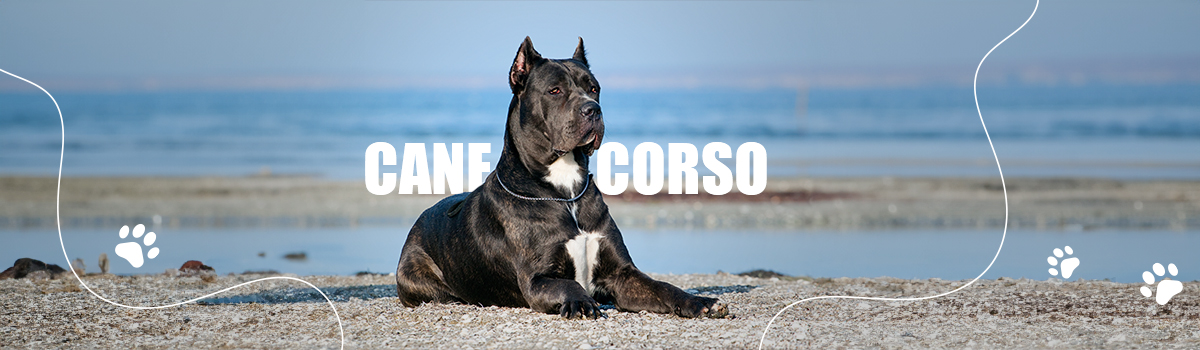

The Cane Corso, also known as the Italian Mastiff, is a powerful and imposing breed known for its loyalty, intelligence, and protective nature. Originating from Italy, the Cane Corso was historically used as a guard dog, hunter, and protector of livestock. Today, this versatile breed continues to serve as a devoted family companion and a formidable working dog.
Cane Corsos are large, muscular dogs with a robust and athletic build. They have a broad head with a square muzzle, prominent stop, and strong jaws. Their eyes are almond-shaped and can range in color from dark brown to lighter shades, depending on the coat color. The ears are typically cropped in countries where this practice is still allowed, giving them a more alert appearance, though natural ears are equally expressive. Their coat is short, dense, and can be black, gray, fawn, red, or brindle.
Here is a breakdown of key data related to , presented in a chart
24-28 inches (61-71 cm) for males 23.5-26 inches (60-66 cm) for females
99-110 pounds (45-50 kg) for males 88-99 pounds (40-45 kg) for females
9-12 years
Cane Corsos are known for their loyalty and protective instincts. They are confident and assertive, making them excellent guard dogs. With their family, they are affectionate, gentle, and devoted. Cane Corsos are reserved with strangers and can be aloof, but proper socialization from a young age helps them differentiate between friend and foe. They are intelligent and eager to please, but their strong-willed nature requires an experienced owner who can provide consistent and firm leadership.
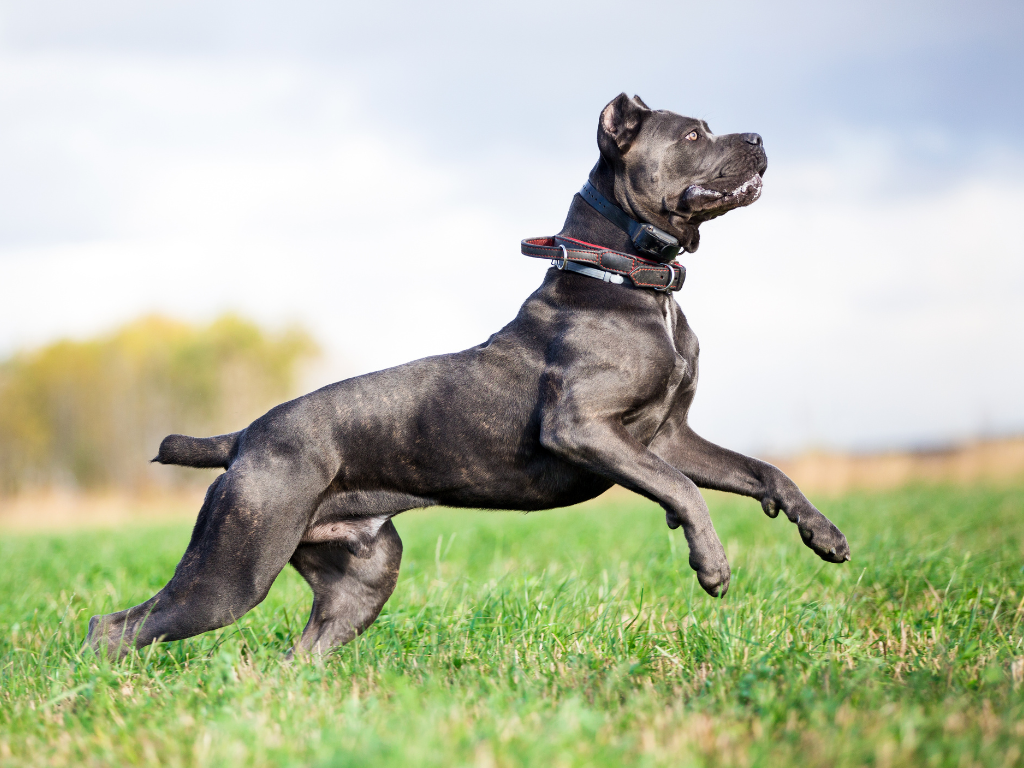
Cane Corsos are highly trainable and respond well to positive reinforcement techniques. Early and ongoing socialization and training are essential to help them become well-rounded adults. They excel in obedience training and can also participate in various canine sports such as agility, tracking, and protection work. Consistent training helps harness their natural instincts and ensures they are well-behaved and manageable.
Cane Corsos are generally healthy but can be prone to certain health issues, including hip and elbow dysplasia, bloat (gastric torsion), heart problems, and entropion (a condition where the eyelid rolls inward). Regular veterinary check-ups, a balanced diet, appropriate exercise, and preventive care are essential to maintain their health. Due to their large size, it is important to manage their growth and weight to prevent joint issues.
Loyal, Intelligent, Protective, Reserved with strangers, Affectionate with family
The Cane Corso's combination of strength, intelligence, and loyalty makes it a formidable and devoted companion. Whether serving as a guardian, working dog, or beloved family member, Cane Corsos continue to impress with their protective nature and affectionate disposition. Their adaptability and strong bond with their owners ensure they remain a cherished breed for those who can meet their needs and provide proper training and socialization.
Every breed was shaped for a job, and that history still shows in temperament, energy, size and grooming needs. A breed that suits a large house with a garden may struggle in a city flat, and a dog bred for long working days will need far more exercise than a small companion breed.
Use this guide to compare breeds on the things that matter day to day: how much activity they need, how they cope with India's heat and humidity, how much grooming they take, and how they usually get on with children and other pets.